Inventory Management: Principles & Practices by Naryan P, Jaya Subramanian
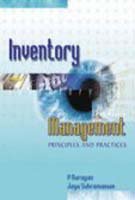

Inventory Management: Principles & Practices by Naryan P, Jaya Subramanian PDF, ePub eBook D0wnl0ad
The book "Inventory Management - Principles and Practices" explains all the fundamental principles of Inventory Management. It starts with a definition of Inventory, why it is needed as well as not needed, what is its impact on a business, how do we classify them for ease of control and what are the various techniques of inventory control. Inventory is an outcome of procurement. So obviously, while studying inventories, the logic behind its procurement should be studied. Hence, chapters on Manufacturing Resources Planning have been added. Just-in-time principles and TQM are some more methods of achieving world-class manufacturing, so they have also been included here. In the present scenario, all activities are being computerized. So lessons on e-commerce as well as all the latest technologies that are affecting Inventory Management have been included.Chapters have been included on methods to handle specific classes of inventories such as spare parts inventory, finished goods inventory, work-in-process inventory, surplus, obsolete and non-moving inventory, etc. Logistics and supply chain management defines the path which a material takes in it's life through a company. So it was essential to include a chapter on it also. Keeping in mind the syllabus prescribed in the various universities on this subject, the chapters have been designed accordingly. A chapter has also been included on some motivational thoughts outlining some principles, which would help us to become successful in life. The principles outlined here are universal, applicable to any situation, organization or country.From reader reviews:
Arthur Lee:
The book Inventory Management: Principles & Practices can give more knowledge and information about everything you want. Why must we leave the great thing like a book Inventory Management: Principles & Practices? A number of you have a different opinion about book. But one aim in which book can give many facts for us. It is absolutely suitable. Right now, try to closer along with your book. Knowledge or facts that you take for that, it is possible to give for each other; you could share all of these. Book Inventory Management: Principles & Practices has simple shape nevertheless, you know: it has great and large function for you. You can seem the enormous world by start and read a e-book. So it is very wonderful.
Daniel Carter:
Nowadays reading books be than want or need but also turn into a life style. This reading addiction give you lot of advantages. Advantages you got of course the knowledge the actual information inside the book that will improve your knowledge and information. The info you get based on what kind of book you read, if you want get more knowledge just go with training books but if you want feel happy read one using theme for entertaining like comic or novel. Often the Inventory Management: Principles & Practices is kind of publication which is giving the reader unstable experience.
John Fouts:
Is it an individual who having spare time in that case spend it whole day by watching television programs or just resting on the bed? Do you need something new? This Inventory Management: Principles & Practices can be the response, oh how comes? The new book you know. You are so out of date, spending your time by reading in this fresh era is common not a nerd activity. So what these publications have than the others?

Read Inventory Management: Principles & Practices by Naryan P, Jaya Subramanian for online ebook
Inventory Management: Principles & Practices by Naryan P, Jaya Subramanian Free PDF d0wnl0ad, audio books, books to read, good books to read, cheap books, good books, online books, books online, book reviews epub, read books online, books to read online, online library, greatbooks to read, PDF best books to read, top books to read Inventory Management: Principles & Practices by Naryan P, Jaya Subramanian books to read online.

No comments:
Post a Comment